
Working on a Farm: Tasks, a Typical Day, and How to Find the Right Farm for You
holiday4help Team · 22 July 2026 · 7 min read
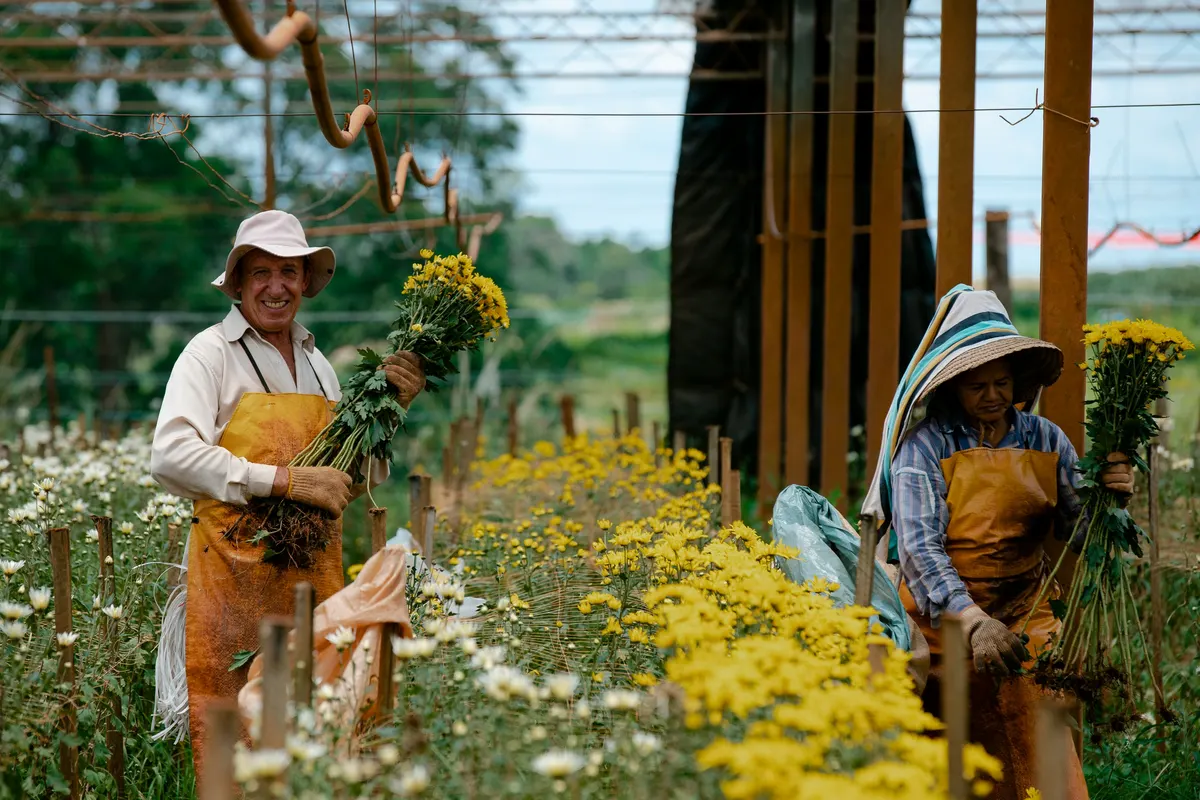
Farm work is the classic work exchange placement: you help out for a few hours a day with animals, harvest, or general farm chores, and in return you get free food and a place to stay — often straight from the field to your plate. New to the concept? Our beginner's guide to work exchange covers the basics before you dive in. This guide covers what tasks to expect, what a typical day looks like, what you should bring physically, the different types of farm placements out there, and how to find the farm that's right for you.
Why Helping Out on a Farm Is So Popular
There's something deeply satisfying about work you can actually see the results of. You're living alongside animals, eating food you helped grow, and your day looks nothing like a desk job in the city. Small family-run farms and self-sufficient smallholdings tend to have plenty of work and not enough hands to do it — which is exactly where you come in. Agriculture and gardening is the biggest category on holiday4help: hundreds of farms are looking for helpers at any given time. Browse them all in our Agriculture & Gardening category.
Typical Tasks: What to Expect
Farm work generally falls into four areas:
- Animal care: feeding, mucking out stalls, fresh bedding, letting the chickens in and out, mending fences, checking the pasture. This is the daily fixed point, morning and evening, rain or shine.
- Garden and field: sowing, planting, weeding, watering, harvesting, preserving. This is where most of the work happens in summer and autumn.
- Farm and craft work: chopping wood, repairing fences and tools, painting, small building projects. You don't need a trade certificate, just a willingness to learn.
- House and farm shop: cooking for the team, making jam or cheese, running a market stall or farm shop, and, on farms that also host holiday guests, getting guest rooms ready.
Farm Work Through the Seasons
| Season | Typical Work | What Makes It Special |
|---|---|---|
| Spring | Preparing beds, sowing, planting, lambs and other young animals | A fresh start, with a lot of new life around the farm |
| Summer | Watering, weeding, haymaking, berry and vegetable harvest | The busiest season — demand for helpers is highest, so apply early |
| Autumn | Fruit and potato harvest, preserving, chopping wood for winter | A harvest-festival mood, with pantries and cellars filling up |
| Winter | Animal care, repairs, renovation, planning next season | Fewer placements, but cozy ones by the stove |
A Typical Day on the Farm
Every farm runs a little differently, but here's roughly what a day tends to look like:
- 7:30 am — Morning animal care: feeding, fresh water, a quick mucking-out.
- 8:30 am — Breakfast together with the host family.
- 9:00 am – 12:00 pm — Main work block: harvesting, weeding, fixing fences, whatever the season calls for.
- 12:30 pm — Lunch, and then you're off the clock.
- Afternoon — Free time: a lake, a hike, a hammock, exploring the village.
- Evening — Often optional: a second round of animal care, a barbecue, a campfire.
Rule of thumb: 2 to 5 hours of work a day, with days off, all agreed in advance. Only peak harvest gets more intense, and rainy days are often free anyway.
Do I Need Experience? What You Should Bring Physically
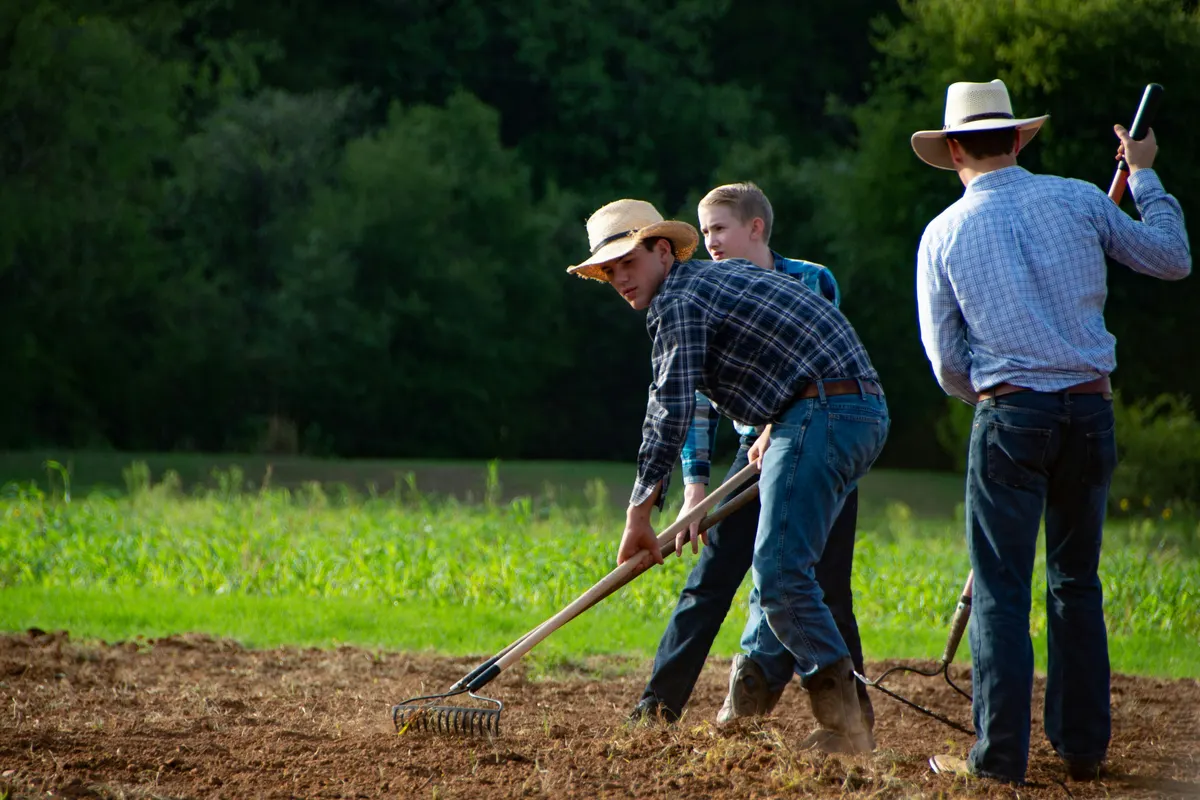
Here's the reassuring answer: most farms don't expect any prior experience at all. Whatever you need to know gets shown to you on the spot, usually within half an hour. What actually matters is:
- Basic fitness — being outdoors, bending, carrying, walking. This isn't a marathon, but it isn't a desk job either.
- Weather resilience — animals get hungry whether it's drizzling or thirty degrees out.
- Reliability and a hands-on attitude — worth more than any particular skill, since farms run on routine.
- Honesty about your limits — a bad back, allergies, being vegetarian on a livestock farm: say so upfront, and in most cases a solution can be found. Older helpers are explicitly welcome too; see our guide to work exchange for seniors.
One tip: check that your tetanus vaccination is up to date. It's the single most important precaution when you're working around soil and animals. Pack sturdy shoes and a pair of work gloves too — our packing list for work exchange covers everything else worth bringing.
Work Exchange, WWOOF, Seasonal Work, or Internship? The Options at a Glance
"Farm work" can mean a few different things, and it's worth knowing which one you're signing up for:
- Work exchange, or helping out for food and lodging: voluntary, time-limited, unpaid, and not an employment relationship. This is what holiday4help is built around.
- WWOOFing: the same basic idea, but limited to certified organic farms and a paid membership in each country you visit. See our comparison of WWOOF, Workaway, and Facebook groups to see how the platforms stack up.
- Paid seasonal work or harvest work: a genuine employment relationship, with a contract, minimum wage, and full working days. Essentially the opposite of a holiday.
- Internships, voluntary ecological years, or apprenticeships: for anyone looking to actually start a career in agriculture.
holiday4help is built around the first option: real, hands-on help among equals, unpaid, with plenty of hospitality on both sides, and completely free to use. For the legal details, see our breakdown of the legal side of work exchange.
What You'll Learn for Life
Few experiences change your outlook quite like this one. You come away actually understanding where food comes from, picking up basic craft skills and the art of improvising, learning to handle animals, working in rhythm with the seasons instead of against them, and realizing just how little you actually need to get by. On the practical side, you might leave knowing how to bake bread, preserve a harvest, keep chickens, or start a vegetable garden of your own.
How to Find the Right Farm for You
- Browse the category or filter the map. Start with our Agriculture & Gardening category, or filter listings on the map to see what's near you.
- Read the listing carefully. Look for details on animals, tasks, hours, and accommodation.
- Ask about daily life. "What does a typical day with you look like?" is the best first question you can ask a host, and it tells you almost everything else you need to know. For more, see our 10 tips for your first stay as a helper.
- Be honest with yourself. A full-scale dairy farm with a 5:30 am milking shift is a very different experience from a self-sufficient garden with a hammock out back. Figure out which one you actually want.
- Arrange a trial week. Knowing you can leave early if it's not a fit takes the pressure off everyone.
Ready for the smell of the barn and sunrises over the fields? Farms are waiting for you — create your free account and send your first request in five minutes.
Frequently Asked Questions About Farm Work (FAQ)
Do I need previous experience?
No. Almost everything gets shown to you on the spot. What matters more is reliability, enjoying the outdoors, and basic fitness. If you do have relevant skills, carpentry or veterinary knowledge, for instance, mention them in your profile, since hosts are always glad to hear about it.
How many hours a day will I be working?
Typically 2 to 5 hours a day, with days off included, all agreed with your host before you arrive. During peak harvest, some days can run a bit longer.
Do I get paid for helping out?
No. It's a straightforward exchange: your help for accommodation and food, with no wage involved. If you'd rather be paid, you'll need a regular seasonal work contract with minimum wage instead, which makes it an actual job rather than a holiday.
Can I bring my kids and help out as a family?
Yes. Plenty of farms are happy to welcome families. Just clarify accommodation and safety details with your host in advance, and look for family-friendly listings on our host listings.
How long does a typical stay last?
Anywhere from a long weekend to several months. A good starting point is one to two weeks, with the option to extend if things are going well.
Is this actually legal?
Yes, as long as it stays voluntary, time-limited, and informal, and you're not replacing a regular paid employee. It counts as a favor between host and helper rather than an employment relationship.
Ready for a holiday for help?
Browse hundreds of offers worldwide – or find helpers for your own project. Completely free.